



California Tire Laws: What Drivers Need to Know
Legal Disclaimer: This article is intended to provide general information about California’s replacement tire regulations and should not be considered legal or regulatory advice. Tire efficiency standards, compliance requirements, and implementation details may change. For the latest official information, refer to the California Energy Commission.
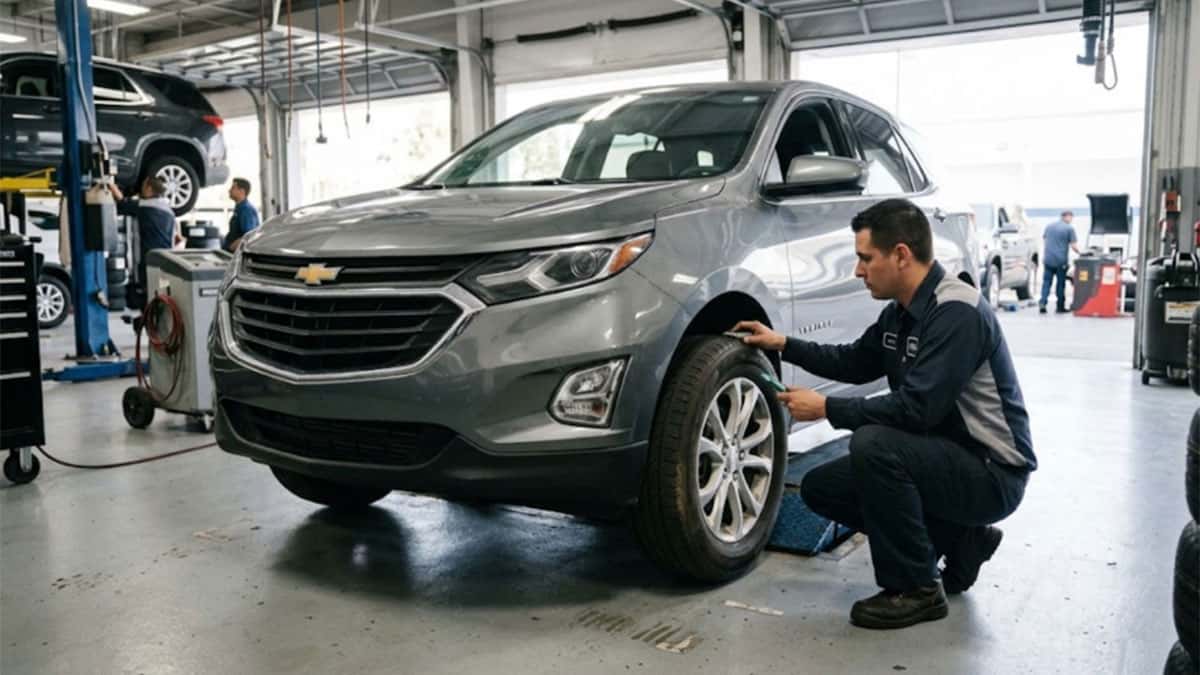
Quick Answer: The new California tire laws are changing the efficiency standards for replacement tires sold in the state. The goal is to make replacement tires more energy efficient, so cars use less gas or battery power. The first standards take effect in 2029, but drivers don’t need to replace their existing tires. When it is time to buy new tires, the rules will mainly affect which replacement tires retailers can sell in California.
Why Is California Changing Its Tire Rules and What Will Change?
California is changing its tire rules because tires affect how much energy a vehicle needs to keep moving. Tires with lower rolling resistance can help gas-powered vehicles use less fuel and help electric vehicles use less battery power.
Under the new California replacement tire efficiency standards, many tires sold in the state will need to meet minimum energy-efficiency requirements while still meeting traction standards. The changes apply to replacement tires, not the tires already installed on your vehicle.
When Do the New California Tire Regulations Take Effect?
The new California tire regulations don’t start right away. The first phase begins on January 1, 2029. A second, stricter set of standards begins on January 1, 2033.
That gives tire manufacturers and retailers several years to prepare. In the meantime, the California Energy Commission’s Replacement Tire Efficiency Program provides information about the standards and their implementation.
Which Tires Are Covered by the New Rules?

The new California tire laws mainly apply to replacement tires for passenger vehicles and light-duty trucks sold in California.
Most standard replacement tires for cars, SUVs, and light-duty pickups will fall under the new efficiency requirements. However, California carved out several specialty tire categories exempt from the same minimum efficiency standards.
These include:
- Winter and snow tires
- Competition and track tires
- Used and retreaded tires
- Certain large off-road and deep-tread tires
- Motorcycle and temporary spare tires
- Small tires with a rim diameter of 13 inches or less
- Limited-production tires
- Certain tires made for emergency vehicles or other specialized uses
Classic car owners also have some protection built into the rules. Limited-production tires and tires with a rim diameter of 13 inches or less are exempt, and the state can also exempt a specific tire model if it is the only option available for a particular vehicle.
Will the New Rules Affect Tire Safety?
The new California tire laws still require tires to meet minimum traction standards.
The California Energy Commission says its testing found that more efficient tires did not perform worse for wet or dry traction.
So while the new rules are focused on efficiency, tires still have to meet basic performance requirements for everyday driving.
Will the New Tire Rules Affect Prices or Tire Choices?
Possibly, but the impact may be fairly small for many drivers.
The California Energy Commission estimates the first phase could add about $1.50 per tire, while the stricter 2033 standards could add around $6.50 per tire. Actual prices will still depend on the tire brand, size, vehicle, and retailer.
As for choice, many tires already sold today are expected to meet the first phase of the new standards. That means drivers should still have plenty of options, although some lower-efficiency tires may become less common over time.
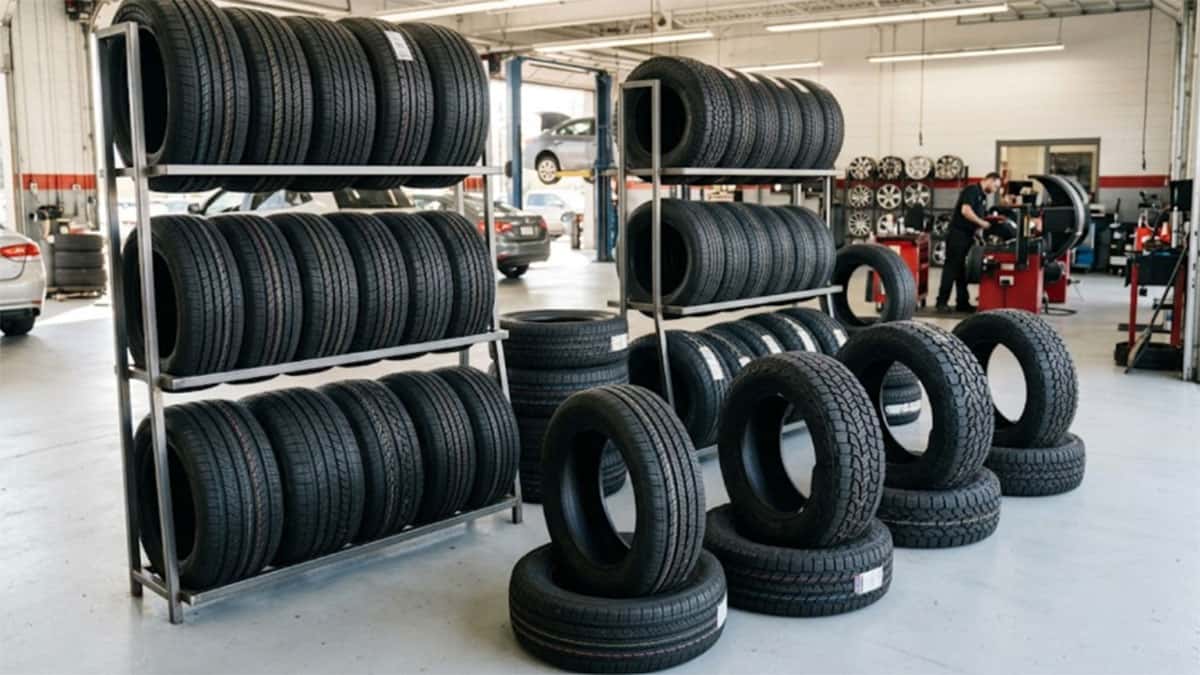
Do the New California Tire Laws Apply to Electric Vehicles?
Yes. The rules also apply to replacement tires for electric vehicles.
That includes models like the Equinox EV, Blazer EV, and Silverado EV. When those vehicles need new tires, replacement options sold in California must meet the applicable efficiency standards.
What California Drivers Should Keep in Mind
For now, drivers don’t need to change anything. The new tire rules don’t begin until 2029, and they will mainly affect replacement tires available for sale in California.
When it is time for a new set, choosing the right tire will still come down to the same basics: your vehicle, how you drive, where you drive, and what kind of performance you want.
At Kearny Mesa Chevrolet, we help drivers with tire replacement, maintenance, and other service needs, so if you are not sure what tires make sense for your Chevy, our service team can help you sort through the options.
FAQs About California’s New Tire Laws
When do the new California tire laws start?
The first efficiency standards begin January 1, 2029. Stricter standards are scheduled to begin January 1, 2033.
Do I have to replace my tires before 2029?
No. The new rules do not require you to replace tires that are already installed and still safe to use.
What vehicles are covered by the new California tire regulations?
The program mainly covers replacement tires for passenger vehicles and light-duty trucks sold in California.
Are electric vehicle tires included?
Yes. Replacement tires for EVs are included under the new rules too.
Information Current as of October 2026: California’s new replacement tire efficiency rules are scheduled to begin in 2029, with additional requirements taking effect in 2033. Regulations and implementation guidance may be updated before those dates. Visit the California Energy Commission for current information.
0 comment(s) so far on California Tire Laws: What Drivers Need to Know