



Common Chevy Colorado Problems and When to Visit a Service Center
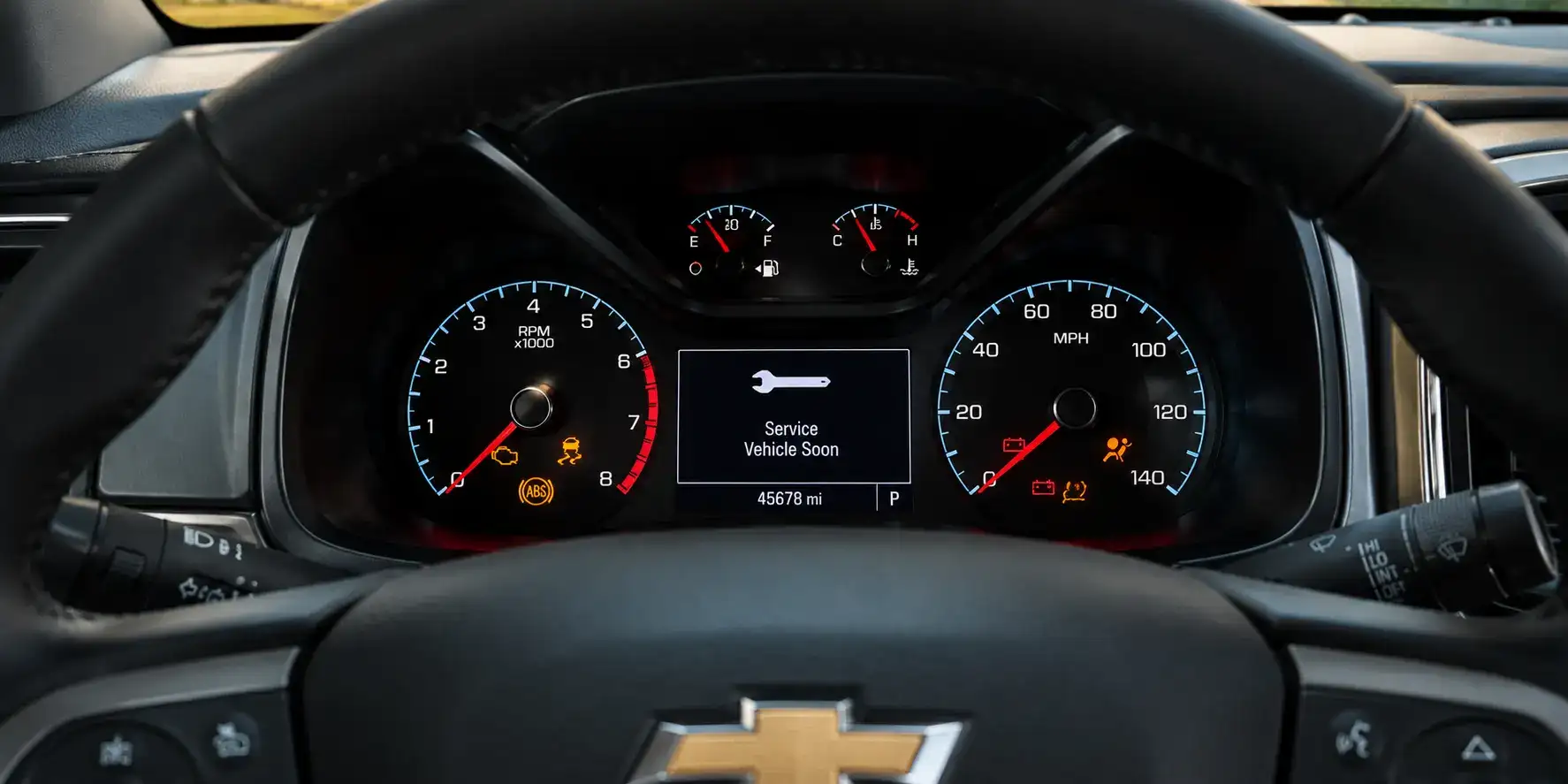 Quick Answer: Common Chevy Colorado problems often show up as warning signs in how the truck starts, shifts, stops, steers, cools, or responds under load. If your Colorado loses power, runs hot, leaks fluid, grinds, shakes, shifts roughly, struggles to start, or shows a warning light that stays on, it is time to contact a service center. Kearny Mesa Chevrolet can help San Diego drivers understand what the symptom points to and what service may be needed next.
Which Chevy Colorado Warning Signs Should You Take Seriously?
The Chevy Colorado warning signs to take seriously are the ones that affect stopping, steering, engine temperature, fluid levels, electrical power, or drivability.
If you are researching a specific concern on a recent model year or before a used purchase, it is worth checking for open safety recalls by VIN through the official NHTSA recall tool or Chevrolet’s owner site, since recall repairs are handled at no cost.
Schedule service sooner if you notice:
- The engine temperature rises, or the truck smells hot, because overheating can quickly damage major components.
- The truck leaks red, brown, green, orange, or clear fluid, which can indicate transmission, oil, coolant, brake, or air conditioning issues.
- The brakes grind, pulse, or feel soft because stopping concerns should not wait for the next routine visit.
- The transmission shifts hard, slips, hesitates, or feels delayed because early diagnosis can help separate fluid, software, sensor, and mechanical concerns.
- The check engine light flashes, or the truck loses power, because these symptoms can indicate a more urgent engine or emissions issue.
Why Is My Colorado Shifting Roughly or Hesitating?
Rough shifting or hesitation can be related to the transmission, but the cause needs to be diagnosed before assuming the truck needs a major repair. Chevy Colorado transmission problems can involve fluid condition, leaks, overheating, software, sensors, internal wear, or another system affecting drivability.
Some symptoms are more noticeable when the truck is warm, climbing, towing, or moving through slow traffic. On newer Colorados with the 2.7L Turbo and the current transmission, some owners notice changes in shift feel once the truck is warmed up. Having it checked early lets a technician tell whether it is fluid, software, or something that needs closer attention.
If you notice a new shift concern, write down when it happens. Indicate whether it occurs at cold or warm temperatures, uphill, under load, during acceleration, or when slowing down. That detail helps the technician narrow the diagnosis.

Can Brakes, Tires, or Alignment Make a Colorado Feel Unsafe?
Yes, brakes, tires, and alignment can make a Colorado feel unsafe when the truck pulls, shakes, grinds, squeals, wanders, or starts wearing tires unevenly. These symptoms can overlap, so the truck may need more than one system checked.
Brake Symptoms
Brake issues may show up as grinding, squealing, pulsation, longer stopping distance, a soft pedal, or a brake warning message. A shake felt through the pedal while braking often points toward the rotors.
Tire and Alignment Symptoms
Tire and alignment concerns may show up as pulling, vibration, steering wheel movement, or unusual tread wear. A vibration at certain speeds may indicate tire balance or suspension issues, while a truck that wanders or sits with the steering wheel off-center may need an alignment check.
You can read more in our guides on Chevy Colorado tire rotation and alignment, and Chevrolet brake service when those symptoms are the main concern.
What Do Battery, Electrical, or Starting Problems Usually Mean?
Battery, electrical, or starting problems can mean more than a weak battery. A Colorado that cranks slowly, clicks, needs repeated jump-starts, flickers the lights, or shows intermittent electrical messages may need a battery and charging system check.
A battery test is usually a practical first step. It helps confirm whether the battery is weak or the technician needs to look more deeply into the alternator, starter, terminals, wiring, sensors, or control modules. Short trips, heat, age, accessory use, and prolonged sitting can all affect battery health.
When Do Overheating, Leaks, or Burning Smells Need Service?
Overheating, leaks, and burning smells require service when they are new, recurring, or accompanied by a change in drivability. A Colorado should not be driven far if it is running hot, losing fluid, smoking, or emitting a strong burning odor.
Overheating can indicate low coolant, a cooling system leak, a thermostat issue, a fan problem, or another temperature-control problem. Chevrolet says an engine coolant temperature warning indicates the vehicle has overheated, and driving with that light on can damage the engine.
Fluid color and location can help the service team understand what to inspect first. Oil, coolant, brake fluid, transmission fluid, power steering fluid, and air conditioning condensation can all leave different signs under the truck.
A burning smell should be handled carefully. It may come from oil, brakes, belts, electrical components, transmission fluid, or something touching a hot surface. If the smell is strong or paired with smoke, stop driving when it is safe and arrange service.

Can Routine Service Catch Colorado Problems Early?
Routine service can catch many Chevy Colorado problems early because technicians can inspect the systems that wear, leak, loosen, or change over time. A multipoint inspection gives the service team a chance to look beyond one symptom.
Routine visits also create a service history. When the same truck is checked over time, it becomes easier to spot changes in brakes, tires, fluids, belts, hoses, battery health, and suspension components. It can also help you decide whether a symptom needs prompt repair, closer monitoring, or a planned maintenance visit.
Why Visit Kearny Mesa Chevrolet for Chevy Colorado Service?
Kearny Mesa Chevrolet provides Colorado owners with a local service center for diagnosis, maintenance, and repair in San Diego.
If your truck is showing possible Chevy Colorado problems, you can:
- Review Chevrolet Colorado service
- Ask about transmission service
- Schedule a multipoint inspection
- Check our Chevrolet brake service page
- Look into battery service
- Schedule service online before you visit
Our dealership is located on Balboa Ave, making it convenient for Colorado drivers around Kearny Mesa and nearby San Diego communities. If your truck is shifting differently, braking strangely, running hot, starting weakly, leaking fluid, or showing a message you do not recognize, bring it in for a closer look.
FAQs About the Most Common Chevy Colorado Problems
How do I know if a Chevy Colorado symptom is urgent?
Anything affecting stopping, steering, overheating, fluid loss, or a warning light that stays on should be checked promptly. A minor noise with no change in drivability may be able to wait until a scheduled visit, but a quick call to the service team or a multipoint inspection can help you decide.
Where can I check if my Colorado has an open recall?
You can look up open safety recalls for your specific truck by entering your VIN through the official NHTSA recall tool or Chevrolet’s owner portal. Recalls are VIN-specific, so it is better to check your specific truck rather than relying on general model-year lists, especially if you own or are considering a recent Colorado.
Is rough shifting always a transmission problem?
No, rough shifting is not always a sign of a transmission failure. It can point to fluid conditions, software, sensors, overheating, leaks, drivetrain issues, or other issues that need diagnosis.
What should I do when a check engine light comes on in my Colorado?
A steady check engine light usually means you can drive to a service appointment soon, while a flashing light signals a more urgent issue and calls for reduced speed and prompt service. The truck stores a diagnostic code either way, so avoid clearing it before the inspection, as that code helps the technician find the cause more quickly.
How often should I bring my Colorado in if it feels fine?
Even without symptoms, pairing a checkup with routine services like oil changes and tire rotations lets the team track brakes, fluids, battery health, and tires over time. That regular history makes it easier to catch a small change before it becomes a larger repair, especially on a truck used for commuting, hauling, and off-road driving.
Can Kearny Mesa Chevrolet Diagnose Chevy Colorado problems?
Yes, Kearny Mesa Chevrolet can inspect and diagnose many Colorado-related concerns, including checking engine lights, brake issues, battery problems, transmission problems, leaks, and general changes in drivability. The service team can explain what they find and recommend the next step based on the truck’s condition.
0 comment(s) so far on Common Chevy Colorado Problems and When to Visit a Service Center