



Leno’s Law: What California Classic Car Owners Need to Know
Legal Disclaimer: The information in this article is intended for educational purposes and should not be interpreted as legal advice or confirmation of Smog Check exemption eligibility. California vehicle emissions laws and qualification procedures are subject to change. For official requirements and guidance concerning Leno’s Law, consult the California Bureau of Automotive Repair.
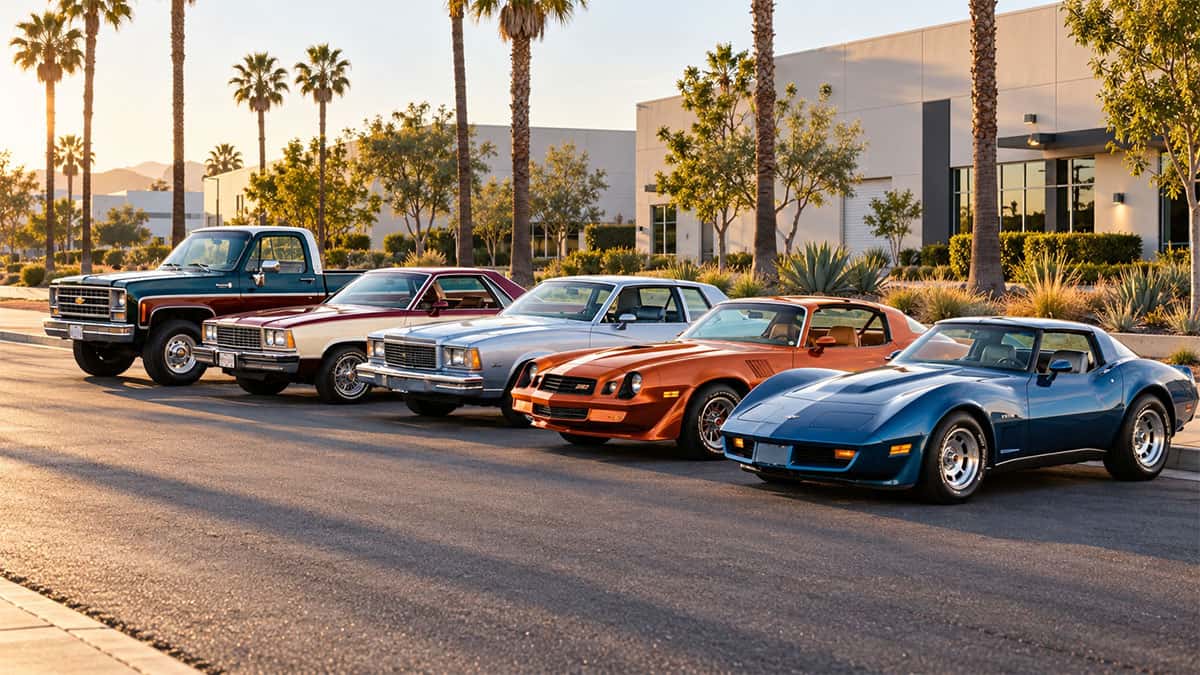
Quick Answer: Leno’s Law, officially SB 1392, creates a new Smog Check exemption for certain collector cars from model years 1976 through 1985. The first eligible vehicles can begin qualifying in 2028, with additional model years added each year through 2033.
What Is Leno’s Law?
Leno’s Law is the nickname for California Senate Bill 1392, legislation that expands Smog Check exemptions to certain classic and collectible vehicles manufactured between 1976 and 1985.
The law is named after comedian and avid car collector Jay Leno, who helped champion the legislation. California Governor Gavin Newsom signed SB 1392 into law at Jay Leno’s Garage in Burbank on September 16, 2026.
Although the law has been signed, the exemptions won’t begin until 2028. They are intended for older collector vehicles preserved and used mainly for car shows, exhibitions, parades, and other limited activities, not everyday transportation.
Which Cars Qualify Under Leno’s Law?
Leno’s Law applies to collector cars, not vehicles used for everyday transportation.
To qualify, a vehicle must be a 1976 through 1985 model year and meet the applicable definition of a collector motor vehicle. It must also be used primarily for purposes such as shows, parades, charitable functions, and historical exhibitions rather than as the owner’s primary transportation.
The California Bureau of Automotive Repair, or BAR, is responsible for developing the process owners will use to establish that their vehicles qualify. As of October 2026, BAR is still working through implementation, but the law provides two main ways for an eligible collector vehicle to qualify:
- Collector Vehicle Insurance: Beginning with the first exemptions in 2028, qualifying vehicles can use the collector vehicle insurance pathway. The vehicle must have qualifying collector insurance and still meet the law’s other requirements.
- Limited Annual Mileage: Beginning in 2030, qualifying vehicles may also use a low-mileage pathway if they are driven fewer than 1,000 miles during a calendar year. This does not mean every vehicle covered by Leno’s Law is limited to 1,000 miles. The mileage requirement only applies to this specific way of qualifying.
Leno’s Law Timeline: When Each Model Year Becomes Eligible
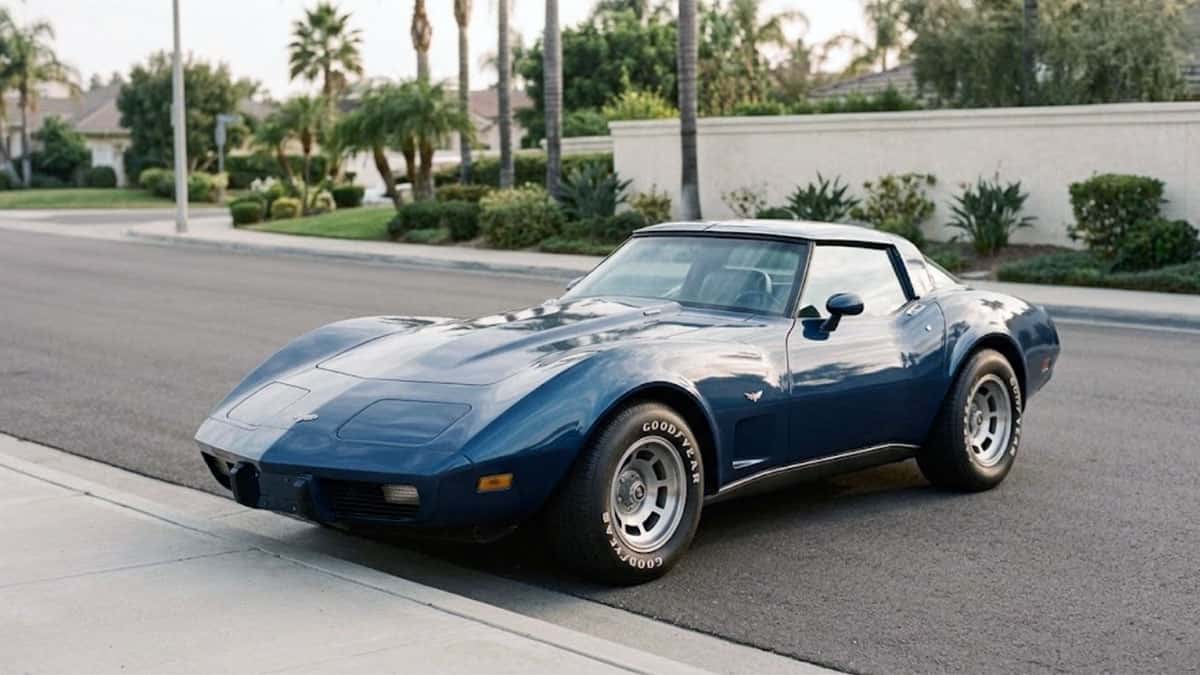
Leno’s Law takes effect in stages, starting in 2028.
Starting January 1, 2028: Qualifying vehicles from model years 1976 through 1980 can become eligible for the exemption.
After that, one additional model year is added each year:
- 2029: 1981 models become eligible
- 2030: 1982 models become eligible
- 2031: 1983 models become eligible
- 2032: 1984 models become eligible
- 2033: 1985 models become eligible
So a qualifying 1979 Chevrolet Monte Carlo could become exempt starting in 2028, while a qualifying 1984 Corvette would have to wait until 2032.
The model year determines when a vehicle can qualify. The vehicle still has to meet the requirements outlined under Leno’s Law.
Chevrolet Classics From 1976 to 1985 Worth Looking At
With the California classic car smog exemption drawing renewed attention to collector vehicles from 1976 through 1985, now is a good time to revisit some of Chevrolet’s most interesting models from that era.
There are plenty of classics in this window that already have strong enthusiast appeal and could become even more attractive to California collectors as the new exemptions take effect. Here are a few worth a closer look:
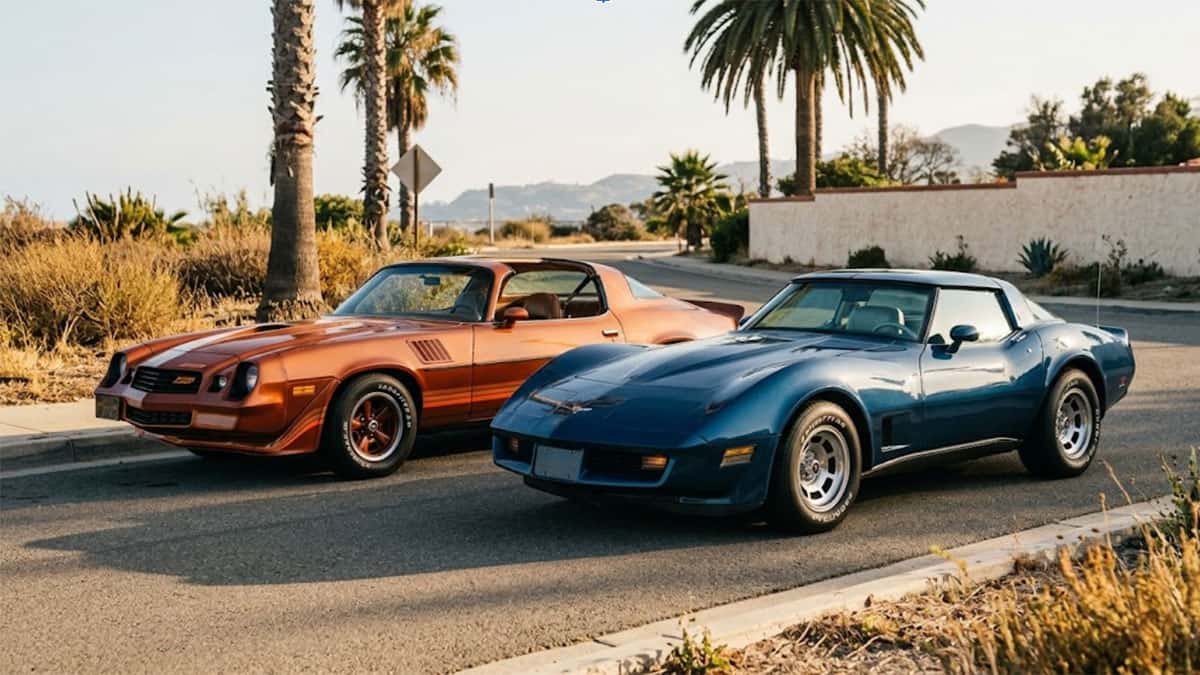
Chevrolet Corvette
Late C3 Corvettes from 1976 through 1982 are an obvious choice, especially if you like the classic long-hood look. The 1984 and 1985 C4 models also fall within the Leno’s Law years and offer a very different, more modern take on the Corvette.
Chevrolet Camaro
This period covers both late second-generation Camaros and the start of the third generation in 1982. It also includes the 1977 return of the Z28, giving collectors plenty of styles to choose from.
Chevrolet Monte Carlo
Monte Carlos from the late 1970s and early 1980s have a strong following, especially among fans of classic cruising culture. The boxier 1980s models have also become more desirable as collector cars.
Chevrolet El Camino
The El Camino has always been one of Chevrolet’s most distinctive models. If you want something that feels like a classic car but still has the utility of a pickup bed, the 1976 to 1985 years are worth a look.
Chevrolet K5 Blazer and C/K Pickups
Square-body Chevy trucks and K5 Blazers are already among the most popular classic Chevrolet builds. Their simple styling and strong aftermarket support make them easy picks for anyone looking at a restoration or weekend project. Chevrolet owners working on their own vehicles can also get help from our Chevrolet Parts Department with genuine GM parts and components.
As qualifying vehicles from these years begin reaching exemption dates, some of these Chevrolets could become even more appealing to California collectors.
What Leno’s Law Means for California Chevy Enthusiasts
Leno’s Law opens new possibilities for California collectors who appreciate Chevrolet’s automotive history. From classic Corvettes and Camaros to vintage pickups, qualifying vehicles from 1976 through 1985 will have a new path to Smog Check exemption as the law takes effect.
Whether you’re restoring a longtime favorite or considering your next collectible, understanding the requirements is an important first step. And if you’re shopping for something newer, Kearny Mesa Chevrolet offers a selection of used vehicles to explore.
FAQs About Leno’s Law and California Smog Exemptions
Does Leno’s Law apply to 1986 and newer cars?
No. Under current law, the exemption extends only through the 1985 model year. Leno’s Law does not create a rolling exemption that automatically applies to newer vehicles as they age.
Are all 1976 to 1985 vehicles automatically smog exempt?
No. A vehicle still has to meet collector-vehicle requirements and qualify through the applicable process to receive the exemption.
When do the first Leno’s Law exemptions begin?
The first exemptions begin on January 1, 2028, for qualifying vehicles from model years 1976 through 1980. One additional model year is added each year through 2033.
Can a daily driver qualify under Leno’s Law?
Generally, no. The exemption is intended for collector vehicles used mainly for shows, exhibitions, parades, and other limited activities, not as primary transportation.
How does the classic car smog exemption California law affect Chevrolet owners?
Under Leno’s Law, qualifying Chevrolet collector vehicles from model years 1976 through 1985 may become eligible for a Smog Check exemption starting in 2028, depending on the vehicle’s model year and whether it meets the law’s requirements.
Information Accurate as of October 2026: Leno’s Law establishes a phased exemption schedule beginning in 2028, but California is still developing the procedures for verifying collector vehicle eligibility. Readers should check the California Bureau of Automotive Repair for regulatory updates before relying on the exemption.
0 comment(s) so far on Leno’s Law: What California Classic Car Owners Need to Know