



2027 Chevy Bolt vs Previous Bolt: What Shoppers Should Know
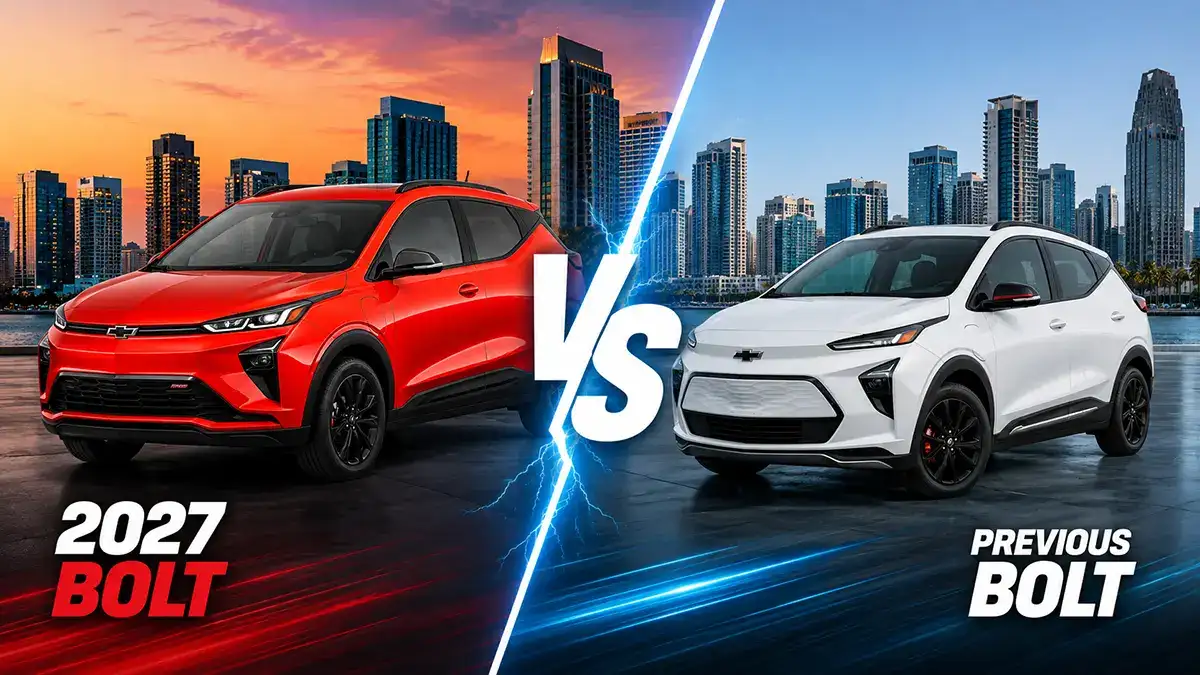
Quick Answer: The 2027 Chevy Bolt vs previous Bolt comparison isn’t really about a model year. Chevrolet ended prior Bolt production after 2023, then brought the Bolt back as a 2027 model available in 2026. For shoppers comparing the new Bolt with the old one, the biggest changes are faster charging, a standard native NACS charge port, updated battery hardware, larger screens, available Super Cruise, vehicle-to-home capability, and a new RS trim.
Is There a 2026 Chevy Bolt to Compare With the 2027 Bolt?
There is no straightforward 2027 Bolt vs. 2026 Bolt comparison, because the Bolt skipped several model years entirely. Chevrolet ended production of the earlier Bolt EV and Bolt EUV in December 2023, and the model was off the market until the 2027 Bolt arrived. There was no 2024, 2025, or 2026 Bolt.
That means many shoppers searching for a 2026 Bolt are thinking about timing rather than a separate model. The new Bolt arrived in 2026 as a 2027 model, which makes the search language confusing.
The more useful comparison is the 2027 Chevy Bolt vs previous Bolt EV and Bolt EUV. That lets you focus on what actually changed for ownership, including charging speed, plug type, range, interior technology, trim choice, and value.
What Are the Biggest Differences Between the 2027 Chevy Bolt and the Previous Bolt?
The differences come down to charging, technology, features, and daily usability. The older Bolt still works well for many daily drivers, but the 2027 model better matches what shoppers now expect from a small electric vehicle.
| Previous Bolt | 2027 Bolt | |
|---|---|---|
| DC fast charging | Up to 55 kW | Up to 150 kW |
| Charge port | CCS | Native NACS |
| Battery | 65 kWh lithium-ion | 65 kWh lithium iron phosphate (LFP) |
| Horsepower | 200 hp | 210 hp |
| EPA-estimated range | 259 mi (Bolt EV) / 247 mi (Bolt EUV) | 262 mi |
| Super Cruise | Bolt EUV only | Available |
| Vehicle-to-home | Not offered | Available with compatible equipment |
| Apple CarPlay / Android Auto | Yes | No — Google built-in only |
| Trims | LT, Premier | LT, RS |
| Assembly | Orion Assembly, Michigan | Fairfax Assembly, Kansas |
The new Bolt also keeps the compact size that made the previous model useful for commuting, errands, and city parking. For San Diego drivers weighing the 2027 Chevy Bolt vs the previous Bolt, that footprint makes everyday driving easier around Kearny Mesa, Clairemont, Mission Valley, and nearby neighborhoods.
Did Charging Improve on the 2027 Chevy Bolt?
Charging is the clearest improvement. The new model supports available public DC fast charging up to 150 kW and can charge from 10% to 80% in about 25 minutes under suitable conditions. The previous Bolt topped out around 55 kW, which is why it was often described as practical for daily driving but slow to refill on longer routes.
The native NACS charge port is the other meaningful upgrade. It expands the Bolt’s compatible public charging options, including access to many Tesla Superchargers where supported, without needing an adapter.
Home charging improved as well. The 2027 Bolt uses an 11.5 kW onboard AC charging module, so overnight charging on a 240-volt Level 2 setup is faster than it was on earlier Bolt hardware.
Charging time still depends on battery temperature, starting charge level, charger output, charger availability, vehicle settings, and battery condition. Even with those variables, the charging setup is one of the strongest reasons to look closely at the new Bolt.
Is the 2027 Chevy Bolt Range Better Than the Older Bolt?
The 2027 Bolt has an EPA-estimated 262-mile range on a full charge. The previous Bolt EV was rated at 259 miles and the Bolt EUV at 247 miles, so range alone may not decide this comparison.
What changed more is the battery chemistry. The new Bolt uses a lithium iron phosphate pack instead of the older lithium-ion design. LFP trades a small amount of energy density for durability, which means you can charge to 100% regularly without the accelerated wear associated with some other battery types.
For daily use, both the older Bolt and the 2027 Bolt work well for commuting, errands, school runs, and local weekend trips. The exact experience depends on the specific vehicle, battery condition, trim, equipment, driving style, freeway speed, temperature, passenger load, and cargo.
Before choosing, check the window sticker and ask about real-world range expectations. That matters most if you often drive longer routes or want to compare a new Bolt with a used one.
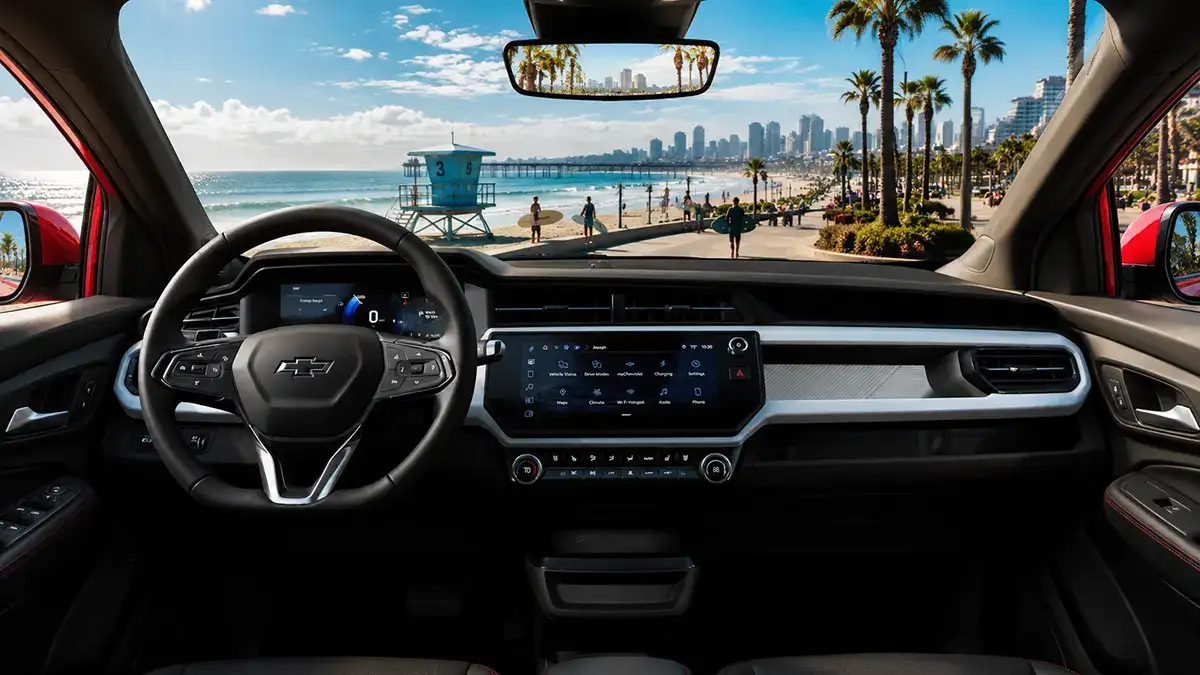
How Is the 2027 Chevy Bolt Interior Different?
The 2027 Bolt has a more modern cabin, with larger screens and updated everyday storage. Chevrolet lists an 11.3-inch diagonal center infotainment screen and an 11-inch diagonal driver information center, a clear step up from the previous Bolt’s displays.
That matters because EV drivers rely on the screen for navigation, charging information, route planning, music, vehicle settings, and driver assistance features. The redesigned center area also opens up more space between the front seats, and the cabin includes USB-C ports and available wireless phone charging.
One Change to Know Before You Compare
The previous Bolt supported Apple CarPlay and Android Auto. The 2027 Bolt does not. It uses Google built-in instead, with Google Maps, Google Assistant, and Google Play apps integrated directly into the touchscreen.
For drivers who mainly use navigation and voice assistance, this often works out fine, since those features run without connecting a phone. For drivers who rely on CarPlay or Android Auto every day, this is the single change most worth testing in person before deciding.
Should You Buy a 2027 Bolt or a Used Previous Bolt?
A 2027 Bolt makes more sense if you want faster charging, native NACS access, updated screens, available Super Cruise, vehicle-to-home capability, and new vehicle warranty coverage.
A used Bolt may still make sense if price is the main priority and you find one with the condition, battery health, service history, features, and mileage you want. The older Bolt EV and Bolt EUV remain practical for daily commuting and local driving, and they keep Apple CarPlay and Android Auto.
If you are shopping used, ask about the battery recall on earlier Bolt models. Many affected vehicles received replacement battery modules under that program, so confirm it in the service history.
For San Diego drivers, the 2027 Chevy Bolt vs previous Bolt decision should include local inventory, trade-in value, home charging access, total price, and how often you expect to take longer drives.
Is the Chevy Bolt Big Enough for Your Needs?
The 2027 Bolt is still a compact EV, so it suits shoppers who want easy daily driving, efficient use of space, and simpler parking around areas like Kearny Mesa, Balboa Ave, Mission Valley, and nearby San Diego neighborhoods.
If you mostly commute, run errands, drive solo or with one passenger, and want a smaller electric vehicle, the Bolt’s size may be part of the appeal. If you regularly carry rear-seat passengers, luggage, sports gear, pets, or road-trip cargo, compare it with the Equinox EV or Blazer EV before deciding.
The right choice depends on how much space you need every week, not just how the vehicle looks online. Sit in the Bolt, check the rear seat and cargo area, and compare it with larger Chevy EVs if space is a concern.
How Can Kearny Mesa Chevrolet Help You Compare Bolt Options?
Kearny Mesa Chevrolet can help San Diego shoppers weigh the 2027 Bolt against older Bolt options and other Chevrolet EVs in a practical way. Instead of comparing specs alone, you can look at the window sticker, sit in the cabin, work through charging questions, and see how the Bolt fits your routine.
The team can also help you compare LT and RS availability, current pricing, financing options, trade-in value, and test drive timing. That prevents surprises, since inventory, equipment, incentives, and final pricing can change quickly.
Before visiting, you can learn more about the 2027 Chevrolet Bolt, browse Chevy EV inventory, apply for financing, value your trade, or schedule a test drive.
If you are deciding between a new Bolt and an older used one, ask what matters most for your driving. Charging access, daily range, warranty coverage, budget, passenger space, and long-term plans all shape the better choice.
FAQs About the 2027 Chevy Bolt vs the Previous Bolt
Is the 2027 Chevy Bolt a new generation or a refresh?
The 2027 Bolt is a returning Bolt with major updates, not a completely different type of vehicle. It keeps the compact EV purpose while adding updated battery hardware, faster charging, native NACS access, larger screens, available Super Cruise, and RS styling.
How should I compare charging if I mostly drive locally?
If most of your driving is local, home charging matters more than fast charging speed. Public fast charging becomes more important if you take longer trips, cannot charge at home, or want more flexibility during the week.
Should I trade in my older Bolt for a 2027 Bolt?
It may be worth considering if you want faster charging, NACS access, newer cabin technology, and updated driver assistance features. The decision depends on your trade-in value, remaining warranty coverage, battery condition, and monthly budget.
Will my home charger work with the 2027 Bolt?
It depends on your setup and connector type. If you already have home charging access for an older Bolt, ask the dealership or a qualified installer whether that equipment works with the 2027 Bolt or whether an adapter, updated charger, or 240-volt setup makes more sense.
Is the 2027 Bolt better for city driving than a larger EV?
The 2027 Bolt may be easier for city driving because it is compact, efficient, and simple to park. A larger EV may be better if you regularly carry passengers, cargo, pets, or road trip gear.
0 comment(s) so far on 2027 Chevy Bolt vs Previous Bolt: What Shoppers Should Know