



CARS Act California: A Step-by-Step Guide for San Diego Car Shoppers
Legal Disclaimer: The information in this article is provided for general educational purposes and should not be relied on as legal advice. California vehicle sales laws, official guidance, and how they are applied may change. For official information about the California Combating Auto Retail Scams (CARS) Act, refer to the California Department of Motor Vehicles or the California Attorney General, or consult a licensed attorney.

Quick Answer: The CARS Act California (Senate Bill 766) took effect October 1, 2026. When you shop at a California dealership, you should now see a vehicle’s total price in writing from the first quote, a written statement that add-ons are optional, and the full cost behind any monthly payment. If you buy a qualifying used vehicle priced at $50,000 or less, you also get a 3-day right to cancel.
The new law does not change which Chevy fits your commute, your family, or your job site. It changes what you should expect to see, and when, as you move from browsing online to signing the paperwork.
What Is the CARS Act in California?
The California Combating Auto Retail Scams (CARS) Act is a state law that sets new rules for how licensed dealers advertise, quote, finance, and sell vehicles to retail customers. Governor Gavin Newsom signed Senate Bill 766 on October 6, 2025, and it became operative on October 1, 2026.
The law grew out of a similar Federal Trade Commission rule that a federal appeals court vacated in 2025 before it took effect. California adopted many of those protections into state law and added a 3-day cancellation right for qualifying used vehicles.
How Does the CARS Act Affect Each Step of Buying a Car?
Step 1: Before You Visit, Expect a Total Price in Writing
Under the California CARS Act, any dealer advertisement for a specific vehicle must clearly show its total price. The same applies to the dealer’s first written message about a vehicle, whether that is an email, a text, or an online quote.
The total price includes dealer markups and any accessories or products already installed on the vehicle. Taxes and certain government fees are not included, and the dealer document processing charge may also be listed separately.
For shoppers, this means the written price should reflect the vehicle as it sits on the lot. Save the listing and the first quote you receive so you can compare them with your final paperwork.

Step 2: When You Talk Payments, Look at the Total Cost
Monthly payments are easy to compare but can hide the bigger picture. If a dealer shows you a monthly payment in writing, the CARS Act in California requires it to also show the total amount you would pay over the full term at that payment, along with any down payment or trade-in value the quote assumes.
If a dealer compares payment options in writing and offers a lower monthly payment, they must disclose that lower payments often mean paying more overall. A longer loan term may lower the payment while increasing what you pay overall.
Step 3: In the Finance Office, Add-Ons Are Optional
The finance office is where many buyers are offered extra products, such as service contracts, GAP coverage, paint and fabric protection, or theft-deterrent products. The California CARS Act sets clear rules for how these are presented:
- Optional in writing: The dealer must state, verbally and in writing, that add-ons are optional and that you can buy or lease the vehicle without them.
- Real benefit required: Dealers cannot charge for add-ons that give you no benefit.
- In your language: If you negotiate primarily in Spanish, Chinese, Tagalog, Vietnamese, or Korean, the optional add-on disclosure must also be provided in that language.
- No misleading claims: Dealers cannot misrepresent costs, financing terms, add-on benefits, or whether you have been pre-approved for financing.
An add-on can still be worth buying. For example, a service contract may make sense for a driver who plans to keep a vehicle for many years. The difference now is that the choice should be clearly yours.
Step 4: After You Sign for a Used Vehicle, Know Your 3-Day Window
If you’ve searched for “used car return California” rules, the CARS Act gives you three days to cancel the purchase or lease of a qualifying used vehicle priced at $50,000 or less, for any reason. This replaces California’s previous optional, paid 2-day contract cancellation option.
- When it starts: The day after you sign. If the last day falls on a day the dealership is closed, the deadline generally moves to the next day it is open.
- How to cancel: You must personally return the vehicle to the selling dealership during business hours before the deadline, along with any required items received in the transaction.
- Miles: The right ends once you’ve driven more than 400 miles.
- Fees: The dealer may charge a restocking fee of 1.5% of the sale price, with a $200 minimum and a $600 maximum, plus $1 per mile over 250 miles, up to $150.
- Condition: The vehicle must be returned in the same condition it was delivered in, apart from reasonable wear and tear or mechanical problems and defects not caused by the buyer.
- Refund: The dealer generally must cancel the contract and issue your refund within 48 hours.
The right does not apply to new vehicles, lease buyouts, auction sales, fleet sales, or motorcycles. Your contract should include a notice on the first page and a separate 3-Day Right to Cancel form explaining the dealership’s cancellation process.
Those first three days give you time to drive your normal routes, whether that is a commute on I-15 or SR-163, school drop-offs, or a weekend trip to the coast, and confirm the vehicle fits your daily routine.
What Does the CARS Act Mean for Chevy Shoppers?
The CARS Act applies to every brand, but a few details matter most for the vehicles Chevrolet shoppers often compare, such as:
Electric Vehicles
One example of a “valueless” add-on the law names is an oil change package sold for an electric vehicle. If you are shopping for an Equinox EV, Blazer EV, Silverado EV, or Bolt, any maintenance or protection products offered should match how an EV is actually maintained.
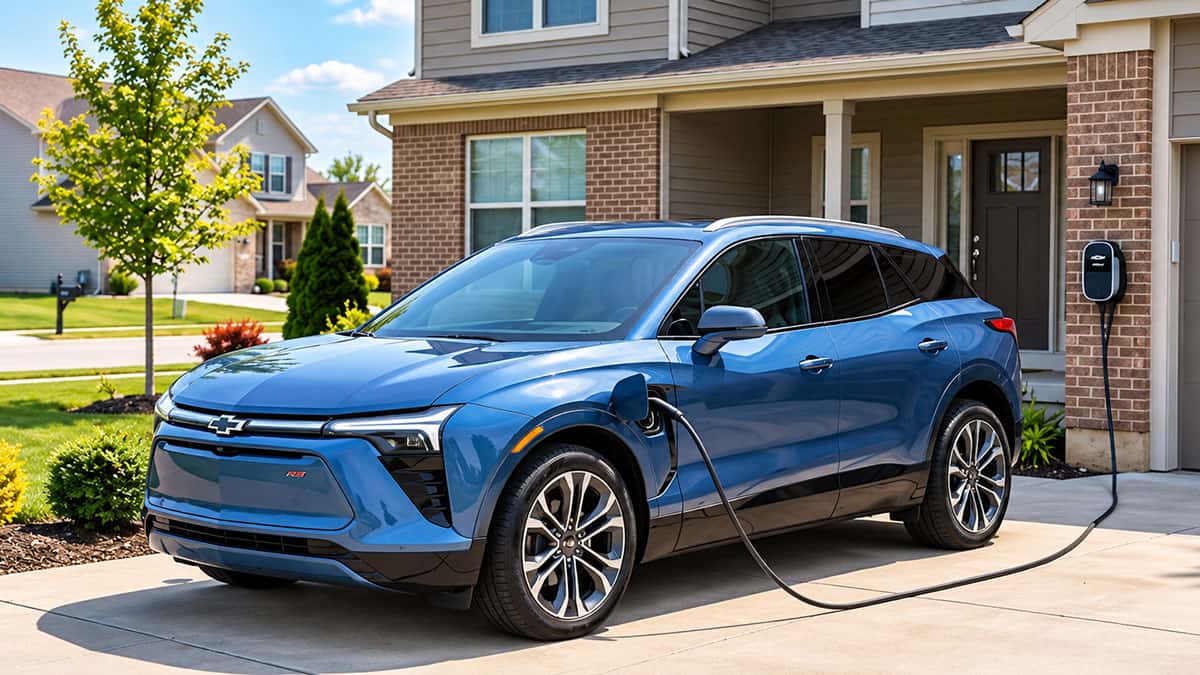
Explore Chevrolet EVs at Kearny Mesa Chevrolet on Balboa Avenue
Used Trucks and Large SUVs
The 3-day right to cancel only applies to used vehicles priced at $50,000 or less. Some late-model used trucks and full-size SUVs, such as a well-equipped Silverado, Tahoe, or Suburban, may be priced above that limit. Check the vehicle’s price if the cancellation right matters to your decision.
Work and Commercial Vehicles
The California DMV says the CARS Act applies to retail sales and leases of light-duty vehicles under 10,000 pounds, with exemptions that include fleet sales. Heavier commercial models and fleet purchases may fall outside the law, so business buyers should confirm how it applies to their specific vehicle and transaction.
How Can Kearny Mesa Chevrolet Help You Shop With Confidence?
Whether you are comparing new Chevy models, used vehicles, or CarBravo options, it helps to start with clear numbers. Before you visit, use our payment calculator to estimate payments and our Value Your Trade tool to get an idea of your trade-in value.
If you have questions about a vehicle’s total price, financing terms, or optional products, ask our team to walk you through them in writing. You can also explore options in our Finance Center.
Kearny Mesa Chevrolet is located at 7978 Balboa Avenue in San Diego. Contact us with questions about California car-buying law in 2026, or stop by to compare vehicles in person.
Use the CARS Act California Rules as a Shopping Checklist
The CARS Act California law works best when you treat it like a checklist. Save the first written price, compare financing by total cost, confirm which add-ons are optional and, if you buy a qualifying used vehicle, write down your cancellation deadline before you leave the lot.
This is one of several recent California rules affecting drivers. You can also read our guide to California tire laws to see how new replacement tire standards may affect your next set of tires.
FAQs About the CARS Act in California
When did the CARS Act take effect in California?
The CARS Act became operative on October 1, 2026. Governor Newsom signed the law on October 6, 2025, and the delay gave dealerships time to update forms, advertising and training.
Can I cancel a new Chevy purchase under the CARS Act?
No. The 3-day right to cancel applies only to qualifying used vehicles priced at $50,000 or less. New vehicles and lease buyouts are not included.
Does the CARS Act apply to Certified Pre-Owned vehicles?
A certified used vehicle is still a used vehicle. If it is sold at retail by a California dealer for $50,000 or less and meets the other requirements, the 3-day right to cancel would generally apply.
Can a dealer still offer service contracts and GAP coverage?
Yes. Dealers can still offer these products, but they must tell you in writing that they are optional, and they cannot charge for add-ons that provide no benefit to you.
Is the total price the same as the out-the-door price?
Not exactly. The total price excludes taxes and certain government fees, and the document processing charge may be listed separately. Your final out-the-door amount will include those items.
Who enforces the CARS Act?
According to the California DMV, agencies including the DMV may enforce violations through existing California consumer protection laws. Consumers can also file complaints with the California Attorney General.
Information Current as of October 2026: The CARS Act California law became operative on October 1, 2026. Official guidance and interpretations may change. For the latest information, consult the California DMV or the California Attorney General.
0 comment(s) so far on CARS Act California: A Step-by-Step Guide for San Diego Car Shoppers